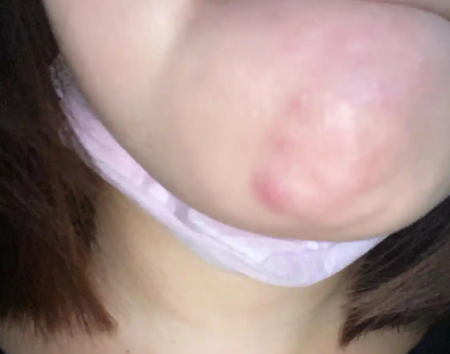
Achieving a refined jawline through chin filler injections is a top choice for many. However, some individuals may experience a situation where the chin filler suddenly becomes hard and swollen after the procedure or even after a period of stability. Is this a normal part of the healing process or a serious complication? This article dives into the core reasons behind these symptoms and provides professional advice to help you navigate your recovery safely.
Why Does Chin Filler Suddenly Become Hard and Swollen? Common Causes
Based on clinical experience, hardness and swelling following hyaluronic acid injections in the chin can generally be categorized into four scenarios:
Normal Post-Operative Reaction: This typically occurs within 3 days of injection. Because the tissue in the chin area is relatively tight, the introduction of filler can cause temporary edema and a mild foreign body response, manifesting as slight tenderness, firmness, and swelling.
Localized Infection: This usually happens more than 3 days after the injection or recurs after initial swelling has subsided. In addition to hardness and swelling, symptoms include significant redness, heat, and pain, sometimes accompanied by a fever. This may be related to the injection environment, improper technique, or inadequate post-operative care.
Vascular Occlusion (Emergency): This is a sudden, critical condition that can occur within 24 hours of injection. If you experience intense stinging, numbness, or abnormal skin color (such as turning white, purple, or black), you must be highly vigilant. This occurs when filler accidentally enters a blood vessel and blocks blood flow.
Delayed Hypersensitivity or Foreign Body Reaction: This may occur suddenly one month or even over six months after injection. Localized lumps do not dissipate and occur without acute inflammatory reactions; these are sometimes triggered by colds or a weakened immune system.
Response Plan: Action Based on Symptoms
If you notice your chin filler is suddenly hard and swollen, take appropriate action based on the timing and specific symptoms:
If symptoms occur within 3 days of injection and consist only of mild swelling and firmness, it is generally recommended to use cold compresses and avoid any pressure on the area; symptoms usually subside gradually within 7 to 14 days.
If symptoms occur more than 3 days post-injection and continue to worsen, accompanied by significant redness, heat, and pain, you should seek a follow-up consultation immediately; a doctor may prescribe oral antibiotics for treatment.
If symptoms occur suddenly within 24 hours of injection, characterized by skin turning white or purple along with intense pain, this is an emergency. You must contact your doctor immediately for urgent treatment, which usually involves injecting hyaluronidase to dissolve the filler.
If hard lumps persist more than one month after injection without signs of acute inflammation, you can first try warm compresses and gentle massage. If the condition does not improve, seek professional medical assistance to consider dissolving the filler.
Safety Warning: Avoid Incorrect Handling
When encountering hardness and swelling in chin filler, remember these essential safety principles:
First, it is recommended to immediately stop any localized pressure or massage. Blindly rubbing the area can exacerbate tissue trauma or cause an infection to spread. Second, do not purchase and apply topical medications on your own, as improper treatment without a diagnosis may mask the true condition.
Summary and Recommendations
A sudden hardness and swelling in chin filler can be a normal part of the repair process or a signal of potential risk. The key is to observe whether it is accompanied by redness, heat, or intense pain. If symptoms do not subside within 48 hours or if abnormal skin coloration occurs, you must contact your injector immediately for an evaluation. Choosing reputable institutions, authentic products, and following strict post-operative care is the best way to ensure both beauty and safety.