What to Do When Your Face Starts to Sag? Is It Really More Cost-Effective to Get Facelifts in Korea Compared to Taiwan or Hong Kong?
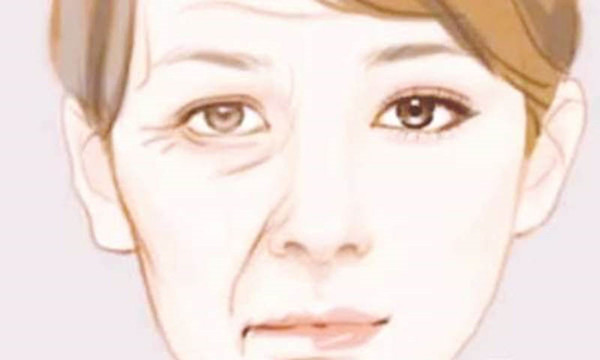
As we age, it is perfectly normal to experience collagen loss and the loosening of the facial SMAS (superficial musculoaponeurotic system) fascia layer. The key is choosing the right method at the right time with the right physician. As the leader in Asian medical aesthetics, Korea attracts a vast number of visitors from Hong Kong, Macau, and Taiwan each year for facial rejuvenation procedures. Below, we provide a comprehensive breakdown of the options, pricing, processes, and precautions for facial lifting in Korea, helping you regain a firm, youthful contour during your trip to Seoul.
What Exactly Is a “Facial Lift”? Understanding the Four Main Methods
Facial lifting is an umbrella term covering everything from non-invasive energy-based treatments to surgical procedures. Each method targets different depths of the skin and is suited for different age groups and degrees of laxity.
1. Ultrasound Lifting (HIFU) — Non-Invasive, No Downtime
Ultrasound lifting uses High-Intensity Focused Ultrasound to deliver energy to the deep SMAS fascia layer. The heat causes immediate tissue contraction and stimulates collagen production. Think of it as an “invisible iron” that smooths out the sagging fascia layer without surgery.
Korea’s mainstream devices include the Ultraformer III and the newer Ultraformer MPT. The latter is designed specifically for Asian facial structures, with probe depths reaching 4.5mm—highly effective for treating blurred jawlines, jowls, and double chins. There is no wound after the treatment, and you can apply makeup immediately, making it perfect for travelers with tight schedules.
Best for: Mild to moderate sagging; age 30–50.
Maintenance: Lasts 1–1.5 years.
2. Radiofrequency (RF) Lifting (Thermage FLX) — The Classic for Full-Face Firming
RF lifting uses radiofrequency energy to heat the entire dermis layer volumetrically. While ultrasound targets specific points (like laying a foundation), RF “irons” the entire sheet of fabric, treating overall skin laxity.
The most popular device in Korea is the Thermage FLX. Many Korean celebrities use it as an annual maintenance ritual.
Best for: Overall skin aging and loss of elasticity.
Maintenance: Lasts 1–2 years.
3. Thread Lifting — Minimally Invasive, Immediate Results
Thread lifting involves embedding absorbable threads with barbs or cones under the skin to physically lift and anchor sagging tissue. The threads also stimulate collagen production long-term.
Korea is at the forefront of thread technology (e.g., COG threads, PCL long-lasting threads). It is ideal for those with deep nasolabial folds or jowls who aren’t ready for surgery.
Best for: Specific areas like jowls, nasolabial folds, and jawlines.
Recovery: 3–7 days.
Maintenance: 1–2 years.
4. SMAS Fascia Facelift Surgery — The Ultimate Solution
When sagging exceeds what instruments can treat, surgical lifting is necessary. Korean plastic surgeons are world-renowned for their deep SMAS lifting techniques, which treat the muscle and fascia layers directly.
Methods: Mini-Lift, SMAS Deep-Layer Lift, Endoscopic Lift, and Full Facelift.
Maintenance: 8–10+ years.
5 Advantages of Choosing Korea for Facial Lifting
Expertise in Asian Facial Structures: Korean doctors understand the specific aging trajectories and bone structures of Asian faces, focusing on a “natural-looking” result.
Early Access to Technology: Korea is usually the first market to receive new devices. You can experience the latest tech here months or years before it hits other markets.
Competitive Pricing: For a full-face ultrasound treatment, the price in Korea is roughly 60–70% of the cost in Taiwan and 40–50% in Hong Kong.
One-Stop Efficiency: Clinics in Gangnam and Apgujeong are highly concentrated, allowing you to consult and schedule multiple procedures in one trip.
Professional Aftercare Systems: Most large clinics provide robust post-op tracking, allowing international patients to stay in touch via messaging apps for remote follow-ups.
How to Choose a Clinic in Korea: 4 Essential Indicators
“Board-Certified Plastic Surgeon”: Verify if the doctor holds a specialized qualification from the Ministry of Health and Welfare.
Authentic Equipment: Ensure the clinic uses original probes and devices. Ask to see the KFDA certification and official certificates of authenticity.
Cross-Reference Reviews: Look beyond the clinic’s website. Check Korean forums (like Gangnam Unni), Google Reviews, and testimonials from international travelers.
Honest Consultation: A good consultant will explain the limitations and risks, not just push for the most expensive package.
6 Questions to Ask During Your Consultation:
How many years of experience does the doctor have in facial lifting?
What is the brand and model of the equipment/threads? Are they authentic?
Based on my skin condition, how many shots/threads do you recommend and why?
What are the expected results and duration?
What is the recovery period and specific care instructions?
How will the clinic handle potential complications or unsatisfactory results?
Important Pre- and Post-Procedure Tips
Planning: Allow sufficient time. Ultrasound/RF: 3 days; Thread lift: 5 days; Surgical lift: 10–14 days.
Preparation: Stop taking anticoagulants (aspirin, fish oil, Vitamin E) 1 week prior. Avoid alcohol and smoking 3 days prior.
Aftercare: Avoid high-heat environments (saunas, intense exercise) for at least 1 week. Follow the clinic’s post-op instructions strictly.
FAQ
Q: Is it really better to do it in Korea?
It depends on your priorities. Korea offers superior technology and price competitiveness, while local treatment (Taiwan/HK) offers convenience and easier follow-up.
Q: Should I choose Ultrasound or RF?
Remember: Ultrasound = Lifting (targets the deep fascia layer for sagging); RF = Firming (targets the dermis for loss of elasticity). Ideally, do both for the best result.
Q: What if I don’t speak Korean?
Most large clinics in Gangnam provide Chinese-speaking translators and support staff. Always confirm this during your booking.
Q: Can I fly home right after?
Ultrasound/RF: Yes, next day. Thread lift: Better to wait 2–3 days. Surgery: Wait 7–10 days until stitches are removed.
Disclaimer: Results vary by individual. This article is for information purposes only and does not constitute medical advice. Please consult with a qualified medical professional before undergoing any cosmetic procedure.