If you’re considering Rejuran (often called “Salmon DNA” or “Healing Injections”), you might be wondering: Does it hurt? Is it worth the trip? And why are quotes so different across clinics? Rejuran isn’t a standard “hydration filler”—it is a repair-focused treatment. This guide breaks down what you need to know before your consultation.
What is Rejuran?
Rejuran contains PN (Polynucleotide), a substance that helps the skin repair its barrier, improve texture, and minimize pores.
The Logic: While standard hydration boosters offer instant moisture, Rejuran works by stabilizing the skin from within. It does not fill in wrinkles or change facial contours; rather, it makes the skin denser, smoother, and more resilient over time.
Who Is It For?
Ideal for: Chronic dryness, dullness, “cakey” makeup, enlarged pores, and post-laser recovery.
Not for: Those looking for immediate “filler-like” volume, face lifts, or correction of deep structural wrinkles.
Caution: Avoid if you have active infections, serious fish allergies, or are currently pregnant/nursing.
How Many Sessions Do I Need?
Rejuran is a marathon, not a sprint.
Timeline: Results usually start appearing 1–2 weeks post-procedure, with optimal skin refinement after 1 month.
Course: Most Korean clinics recommend a 3-session initial course, spaced 3–4 weeks apart, followed by maintenance every 3–6 months.
Pricing Estimates (June 2026)
Prices in Korea vary by clinic tier, physician expertise, and dosage.
Range: 200,000–600,000 KRW (~150–450 USD / 1,150–3,450 HKD) per session.
Budgeting: Consider the “hidden costs”—flights, accommodation, and interpretation. Unless you combine Rejuran with other treatments (lasers, skin management), a single session may not be more cost-effective than getting it done locally.
Pain and Downtime
Pain: Yes, it is more painful than standard hydration boosters because of the injection technique. Numbing cream is standard, but sensitive areas (under-eyes, nose bridge) will still be uncomfortable.
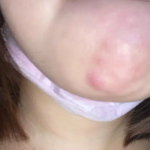
Recovery: Expect needle marks, redness, and small bumps (“blebs”) for 1–3 days. Bruising may last 5–7 days. Avoid scheduling photoshoots or important meetings in the 48 hours following your treatment.
How to Choose a Clinic in Korea
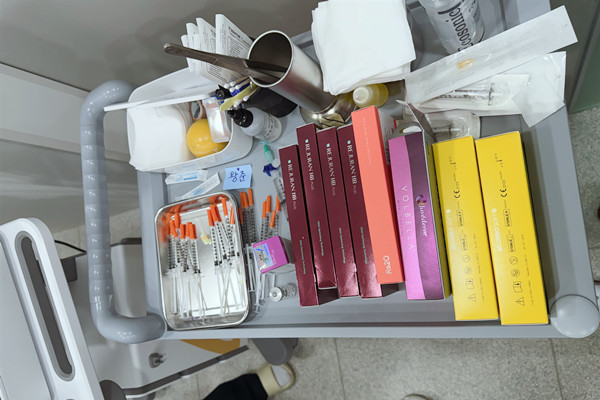
Transparency: Ensure the clinic clearly states the dosage (cc) and the specific version of Rejuran being used.
Physician-Led: Prioritize clinics where a dermatologist or plastic surgeon assesses your skin—not just a consultant pushing a package.
Comprehensive Quotes: Confirm the price includes anesthesia, post-procedure management, and translation services.
Avoid Over-treatment: If you have sensitive, inflamed skin, do not combine too many high-energy lasers in the same visit. Prioritize healing first.
FAQ
Can it fix tear troughs? No. It helps with fine lines and texture around the eyes, but it cannot fill volume loss or bone depressions.
Is it better than a standard water-light (hydration) booster? It depends on your goal. Choose standard boosters for instant glow and hydration. Choose Rejuran for long-term skin barrier repair, pore reduction, and anti-aging.
Is it a one-time fix? No. It is a “treatment course.” Regular sessions provide the cumulative benefits.
Disclaimer: This guide is for informational purposes and does not replace professional medical advice. All injectable treatments carry risks; always consult with a board-certified physician before proceeding.