Navigating Korean aesthetic clinics after 30 can be overwhelming. With a sea of options—Ulthera/Shurink (Ultrasound), Thermage/Oligio (RF), Botox, Fillers, PDRN, Rejuran, and Skin Boosters—it is easy to get lost. The secret isn’t picking the trendiest procedure; it’s identifying whether your aging concern is sagging, volume loss, wrinkles, texture, or laxity.
Identify Your Aging Type First
Don’t shop by procedure name. 30+ aging is a multi-layered process:
Sagging/Blurry Jawline: Focus on lifting (Ultrasound).
Loss of Skin Elasticity/Fine Lines: Focus on tightening (RF).
Dynamic Wrinkles: Focus on muscle relaxation (Botox).
Volume Loss/Hollows: Focus on structural support (Fillers/Regenerative injections).
Dryness/Rough Texture: Focus on skin quality (Skin Boosters).
The Big Three: Understanding the Tools
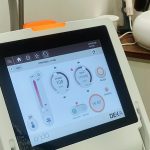
Ultrasound (Ulthera/Shurink): Targets deep tissue to lift and define contours (e.g., jawline/jowls). Warning: If your face is already very thin or hollow, excessive ultrasound can make you look gaunt.
RF (Thermage/Oligio): Focuses on surface tightness, collagen remodeling, and pore refinement. It is the better choice for “loose” skin rather than “drooping” tissue.
Injectables:
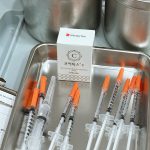
Botox: For expression lines (frown/forehead/crow’s feet).
Fillers: For structural support and hollow areas (tear troughs/cheeks).
Skin Boosters (PDRN/Rejuran/Water Glow): For deep hydration and tissue repair.
Recommended Sequence
If you are new to anti-aging, follow a logical “inside-out” approach:
Muscle Control: Botox to soften existing expression lines.
Tissue Tightening: Ultrasound or RF to address sagging and laxity.
Volume & Quality: Targeted fillers for hollows and skin boosters for texture. Starting this way prevents “over-filling” and ensures you aren’t paying for extra filler when a simple lift or muscle relaxation would have sufficed.
Critical Planning for Your Trip
Total Cost: Don’t just compare procedure prices. Factor in flights, accommodation, translation fees, and post-op checkups. If you only do one minor treatment, it may not be cost-effective.
Scheduling: Avoid “stacking” everything in one day. Ultrasound, RF, and injections have different recovery needs and potential swelling that can affect the physician’s assessment. Give yourself 3–5 days of flexibility.
Vet the Details: Always ask for:
Ultrasound/RF: Device model, head/shot count, and area covered.
Injectables: Product brand, volume/dosage, and confirmation of who is performing the procedure.
FAQ
Which to do first, Ultrasound or RF? If you have jowls, prioritize Ultrasound. If you have crepey skin and fine lines, prioritize RF. Many patients benefit from a “combo” approach at lower intensity.
Is 30 too young for Botox? No. If your lines have become static, a small, conservative dose can prevent them from deepening.
Can I do Ultrasound if my face is hollow? Proceed with caution. You may need volume support first; otherwise, you risk looking overly thin.
What if I have an emergency after returning home? Choose a clinic that provides a clear follow-up channel (LINE/Kakao) and can provide a written summary of your procedure in English or Chinese for your local doctor.
Final Takeaway
Effective anti-aging is a long-term strategy, not a one-time “miracle” cure. Avoid excessive treatments in a single sitting, and prioritize an assessment by a board-certified specialist. The goal is to look like a naturally refreshed version of yourself, not a different person.
Disclaimer: This information is for educational purposes only. Always consult a qualified professional to assess your specific facial structure and medical history before undergoing any aesthetic procedure.