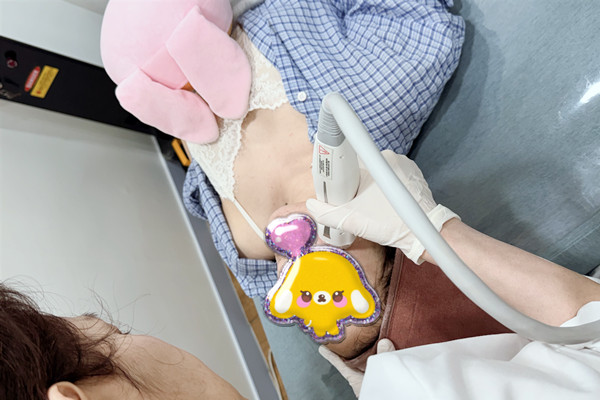
Does your jawline significantly affect your facial appearance? The answer is a definitive yes.
Many people assume a “refined” face comes solely from large eyes or a high-bridged nose. However, the true secret to a “clean” face shape often lies in the jawline. A defined jawline provides a crisp outline, whereas a blurred one can make a face look tired, bloated, or lacking in vitality.
Crucially, a jawline does not need to be sharp to be beautiful, nor is surgery or injection necessary for everyone. Issues stem from various sources: fat accumulation, muscle hypertrophy (masseter), skin laxity, or inadequate bone structure (e.g., a receding chin). Understanding the root cause is essential—especially if you are planning to travel to South Korea for treatment.
Why the Jawline Matters
The jawline acts as the “frame” for your face. When defined, it keeps the facial features contained and visually smaller. When blurred, the boundary between the face and neck disappears, often leading to the appearance of a double chin or “jowls.” This is particularly noticeable in selfies, during phone use, or in profile views.
Identifying the Root Cause
You cannot diagnose your jawline issues from a front-facing selfie alone. Consider your profile, 45-degree angles, and dynamic expressions:
Soft tissue: Likely fat or fluid retention.
Hard muscle (when clenching): Likely masseter hypertrophy (requires Botox).
Sagging/Jowls: Likely skin laxity (requires tightening/lifting).
Receding chin: Likely lack of structural support (requires filler/augmentation).
Combination: Often a mix of fat, laxity, and skeletal proportions.
Warning: Never copy someone else’s treatment plan. If you have sagging skin, “slim-face” injections could actually make your face look more hollow. If you have structural bone issues, simple skin tightening may not yield the desired result.
Common Treatment Approaches
Botox: For masseter hypertrophy; softens the jawline.
Fat Reduction (Injections/Liposuction): For fat accumulation.
Energy-based Devices (Ulthera/Thermage/Threads): For mild to moderate laxity.
Fillers (Chin/Jawline): For structural support or receding chins. The goal is a smooth transition, not an excessively pointed look.
Is a Trip to Korea Worth It?
While Korea offers extensive experience in contouring, you must calculate the total cost, including flights, accommodation, translation services, and time.
Small treatments (Botox/Filler): Often not cost-effective to fly abroad for.
Comprehensive treatments (Lifting/Contouring): May justify the travel if you are already planning a broader aesthetic visit.
6 Essential Questions to Ask Your Practitioner
Is my issue caused by muscle, fat, laxity, or skeletal structure?
Does the clinic have a track record with my specific facial profile?
Will you assess my face from the front, sides, and during movement?
What is the full cost breakdown? Does it include post-op follow-ups?
Does the clinic have emergency protocols and medications (e.g., hyaluronidase for fillers)?
Is there a system for online consultation or follow-up once I return home?
Risks and Safety
All procedures carry risks:
Botox: Risk of jaw weakness or unnatural expressions.
Fillers: Risk of asymmetry, lumps, or vascular occlusion.
Energy/Lifting: Risk of swelling, pain, or nerve irritation.
Surgery/Threads: Risk of infection, scarring, or asymmetry.
Preparation for Your Consultation
Photos: Bring unedited photos from multiple angles (front, side, 45°).
History: List all previous aesthetic treatments (fillers, Botox, threads).
Expectations: Be clear about what you dislike (e.g., “jowls” vs. “double chin”).
Timeline: Understand the recovery period to ensure you are fit to travel home.
Products: Confirm the specific brands and dosages used.
Summary
A defined jawline enhances your overall “clean” look and photographic quality. However, it is not a “one-size-fits-all” scenario. Avoid the trap of blindly chasing a “perfectly sharp” face. Focus on identifying your specific needs and choosing a qualified practitioner who understands your facial structure.
Disclaimer: This information is for educational purposes and does not replace professional medical advice. All injectable and surgical procedures carry risks. Always consult with a qualified medical professional for a personalized assessment.