Getting injectable aesthetic treatments in Korea leaves some people with deep regrets. Because injections sound simple—done with just a single shot—their low threshold and harmless appearance make them the easiest traps to fall into. From hyaluronic acid causing widened bridge of the nose to botched botox or cheap skin boosters causing full-face allergies, real cases like these are endless on Dcard and PTT. Here are the 5 most common traps of injectable plastic surgery in Korea to review before deciding to go.
▎Trap 1: Low-Price Bait—Why You Should Never Get 10,000 KRW Hyaluronic Acid You’ve definitely seen ultra-cheap injection ads online: 10,000 KRW for hyaluronic acid, 3,000 KRW for botox. It sounds like a great deal, but the truth is these low-price offers are just bait. The logic behind cheap injections: lure you in with a super low price, then upsell you heavily during the consultation. They claim you need fillers here and adjustments there, and by checkout, you’ve spent hundreds of thousands of KRW. Worse yet, some cheap injectables are of unknown origin—diluted, near-expiration, or even counterfeit.
The Correct Approach: Be skeptical of abnormal low prices. Authentic hyaluronic acid costs more than 10,000 KRW just to manufacture; clinics won’t operate at a loss. Skip any prices 30% below market average.
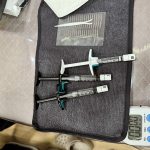
▎Trap 2: Ghost Doctors—You Think a Famous Doctor Treats You, But It’s a Nurse This is the biggest gray area in Korean medical aesthetics. The signature doctor on a clinic’s sign only appears during consultation; when the needle actually comes out, a nurse or intern takes over. With a language barrier abroad, you won’t even realize the switch happened. Injections seem simple, but facial anatomy is extremely complex, and blood vessel/nerve distributions vary for everyone. Hitting a blood vessel causes embolism and necrosis; hitting the wrong muscle layer causes facial asymmetry. These require a professional doctor’s judgment and touch—not just anyone can do it.
The Correct Approach: Directly ask during consultation: Who performs the injection? Request to verify the practitioner’s medical license. If the clinic hesitates or says “our nurses are also very experienced,” switch clinics immediately. You can check specialist qualifications on the KFDA (Korea Food and Drug Administration) official website.
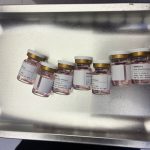
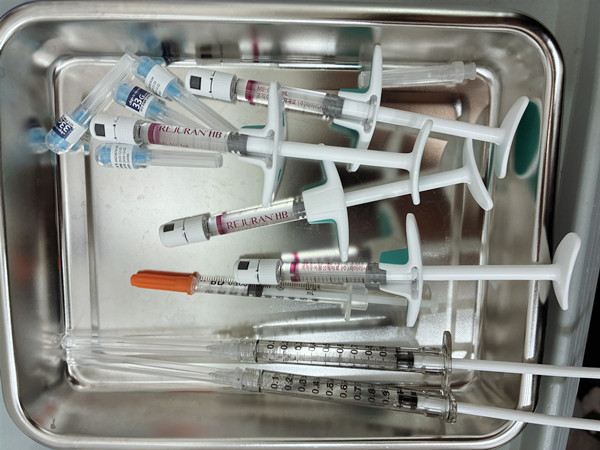
▎Trap 3: Counterfeit Injectables—Nobody Knows What You’re Actually Getting Korea has countless injectable brands: Restylane, Juvederm, and Elravie for fillers; Botulax, Meditoxin, and Nabota for botox; plus various PDRNs, exosomes, and collagen stimulators. The problem is a massive market for counterfeits. To lower costs, some clinics use products uncertified by KFDA or gray-market parallel imports. You think you’re getting Juvederm, but it’s actually cheap stuff from an unknown brand. The outer packaging looks identical, making it impossible for ordinary people to tell.
The Correct Approach: Ask to see the original packaging, batch number, and expiration date before injection. Regular clinics will proactively show it or let you scan the anti-counterfeit QR code. If they refuse for any reason, something is fishy. Check official brand packaging designs online before your trip so you can verify on-site.
▎Trap 4: Communication Gap—You Say “Natural,” the Korean Doctor Hears “As Much As Possible” While you prefer a natural look, Korean aesthetic culture generally leans toward visible results. This aesthetic gap is fatal in injections. Many people say “natural is fine” or “not too much” during consultation, but the Korean doctor’s understanding of “natural” differs from yours. With a translator in between, message distortion is even higher. The result: you wanted subtle apple cheeks, but wake up with a bun-like swollen face from 3 filler syringes; or you wanted a slight nose tweak, and end up with a high, wide bridge.
The Correct Approach: Bring reference photos to consultations, communicating with concrete pictures rather than abstract words. Clearly state the maximum cc per area, preferring under-correction over over-correction. Ask the translator to relay your exact words line-by-line rather than summarizing. If a clinic only uses translation apps instead of a professional Chinese translator, change clinics.
▎Trap 5: Zero Post-Treatment Support—No One to Reach If Complications Arise Complications from injections don’t always appear instantly; swelling, bruising, lumps, or discoloration might start 3 to 5 days later. By then, you’re already back in your home country, and the clinic’s follow-up is practically zero. Many clinics provide just a paper sheet of precautions with no contact method. Messaging the original translator results in: “Ask the doctor,” and the doctor says: “You need a physical follow-up,” but who pays for the flight? Worse, some complications need instant handling—like vascular occlusion causing permanent skin necrosis if past the golden window.
The Correct Approach: Ask about post-op tracking mechanisms beforehand: Is there online tracking? Emergency contacts? Remote assistance if issues arise back home? Choose clinics with comprehensive post-op services. If abnormalities occur after returning, immediately visit a local aesthetic clinic rather than waiting.
▎Real Blunder Cases
Case 1 (Xiao Fang, 26, Seoul Filler Rhinoplasty): Got “Restylane” at a cheap clinic for 20,000 KRW a syringe. Looked fine initially, but a week back home, the bridge widened and bulged like a frog. A local doctor said it was likely low-quality filler needing hyaluronidase dissolution, costing over 30,000 TWD in repairs plus two months of psychological stress.
Case 2 (A-Jie, 32, Calf Botox in Korea): Sold a full-body botox package claimed to be a top Korean brand. Calves slimmed after two weeks, but eyelid drooping and swallowing difficulties emerged—excessive dosage or bad quality caused toxin diffusion to surrounding muscles. Took three months to recover.
Case 3 (Linda, 28, Skin Booster Experience): Got a skin booster at an influencer-recommended clinic, resulting in a full-face rash the next day. The clinic called it “normal.” It lasted two weeks; a dermatologist back home confirmed an allergy to unknown injection ingredients.
▎How to Tell if a Clinic is Reliable
✓ Verify the doctor is a certified Korean plastic surgeon or dermatologist (checkable on KFDA website)
✓ Confirm official certified injectables (request packaging and batch numbers)
✓ Confirm a professional Chinese translator communicates in person (no apps)
✓ Confirm the consultation doctor performs the injection personally
✓ Confirm post-treatment tracking and emergency contact systems
✓ Confirm the clinic has complication-handling capabilities and workflows
✓ Confirm transparent pricing with no hidden fees (request written quotes)
▎Legal Protection for Medical Aesthetics in Korea Honestly, foreign legal recourse for medical disputes in Korea is extremely limited. The Korea Medical Dispute Mediation and Arbitration Agency handles foreign cases, but language barriers and distance make prosecution costs high. Hiring a Korean lawyer costs millions of KRW with procedures dragging on for 1–2 years. Travel insurance generally excludes medical aesthetic complications. Some clinics offer extra aesthetic insurance, but coverage is narrow. Verify your insurance covers overseas medical aesthetic risks beforehand; don’t assume protection.
▎What to Do If You’ve Already Blundered
Immediately photograph symptoms, keeping all clinic receipts and consultation records.
Visit a trusted local aesthetic clinic for repair evaluation upon return.
Consider hyaluronidase treatment if it’s a filler issue.
File a complaint with the Korea Medical Dispute Mediation and Arbitration Agency (KAB).
Share experiences on Dcard/PTT to prevent others from making the same mistake.
Report fake drugs or unlicensed operations to the KFDA.
▎Pre-Departure Checklist
Verify doctor qualifications on the KFDA website.
Confirm the injectable brand and model; check official packaging designs beforehand.
Confirm in-person professional Chinese translation.
Confirm written quotations with no post-consultation price hikes.
Confirm injections are performed by the doctor.
Confirm post-treatment tracking mechanisms.
Confirm complication-handling workflows.
Confirm purchase of insurance covering overseas medical aesthetics.
Confirm a trusted local clinic is ready for emergencies upon return.
Confirm you have at least the clinic’s emergency contact info.
▎FAQ
Q: Are injections in Korea really much cheaper than at home?
Not necessarily. Cheap options are usually bait prices or sketchy products. Authentic products plus qualified doctors cost similarly to home countries. Factoring in flights and lodging makes it not necessarily a bargain.
Q: How to confirm injectables are genuine?
Request original packaging, batch numbers, and expiration dates. Regular clinics provide this proactively. Check official brand websites for packaging features before departure.
Q: What if problems arise in Korea after injections?
Contact the clinic immediately for handling. If unresponsive, visit the nearest emergency room. Take photos as evidence and keep all documents. Address it with a trusted local clinic back home.
Q: Can I get refunds or compensation for botched Korean injections?
Theoretically via KAB, but practically difficult. High foreign legal costs, long durations, and uncertain outcomes mean prevention beats remediation.
Q: Which injections carry the highest risk?
Filler rhinoplasty and filling the “danger triangle” of the face carry the highest risk due to dense blood vessels, where misplacement causes occlusion. Skin boosters and PDRN risks lie in product authenticity. Botox risks involve dosage and injection sites.
▎Conclusion Injectable plastic surgery is not as simple as a single shot; the risks behind it are as real as surgery. Low prices, counterfeits, ghost doctors, communication gaps, and zero post-op care are the top 5 traps in Korean injectables. Do your homework, choose the right clinic, and verify every step to safely enhance your beauty. Realize your treatments safely by consulting qualified professional doctors.