Warning
Some return from breast augmentation in Korea ecstatic, while others regret it so much they can’t bear to look in the mirror. The difference? Doing your homework and avoiding traps hidden behind flashy websites. If you’re seriously considering breast augmentation in Korea, read this first.
Pitfall 1: Low-Price Bait — Beware of Packages Under 1 Million KRW
Online ads offering “all-inclusive breast augmentation under 1 million KRW” don’t even cover the cost of authentic implants.
The Trap: Lure you in with ultra-low prices, then tack on mandatory upgrades for implant brands, endoscopes, or massage packages, doubling the final total.
The Fix: Request a written price quote beforehand, confirming it includes implants, anesthesia, post-op care, and follow-ups. Refuse clinics that withhold itemized details.
Pitfall 2: Ghost Doctors — The Surgeon Isn’t Who You Think
The famous doctor you consult with may not perform your surgery; large clinics often delegate operations to junior doctors or residents.
The Fix: Get the operating surgeon’s name in writing and verify their specialist credentials on the KFDS (Korea Food and Drug Safety) website. Ask directly during consultation: “Will you personally perform the surgery?” Walk away if they hesitate.
Pitfall 3: Substituted or Counterfeit Implants
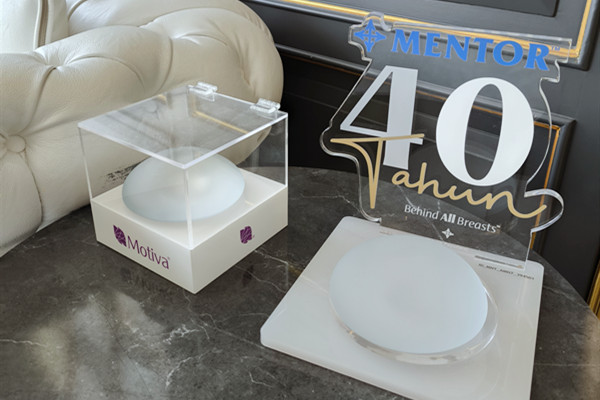
Common brands include Motiva, Mentor, Sebbin, and GCA, varying greatly in cost and quality. Unscrupulous clinics may use counterfeit parts, grey-market imports, or swap premium brands for cheap no-name alternatives while you’re under anesthesia.
The Fix: Demand to see the implant packaging on-site before surgery to check the brand, model, batch, and serial numbers. Authentic clinics provide an electronic warranty card verifiable on the manufacturer’s official website.
Pitfall 4: Communication Gaps — A “Natural” Size Mismatch
Translating nuances like “a natural C-cup” or “rounded vs. teardrop shapes” through multiple people can cause severe misunderstandings about the final look.
The Fix: Bring multiple visual references, have the translator write down exact specifications (implant size, placement layer like sub-muscular, incision site), and request 3D pre-op simulations if available.
Pitfall 5: Post-Op Isolation — Who Helps When You Return Home?
Recovery takes 3 to 6 months. Complications like capsular contracture, displacement, or delayed healing can occur after flying home, leaving you stranded if overseas customer service ghosts you.
The Fix: Confirm online follow-up protocols, schedule frequency, and complication policies beforehand. Establish a backup relationship with a local plastic surgeon in your home country just in case.
Real-Case Warnings
Case 1 (Xiao Rou, 28): Chose a half-price clinic promising Motiva implants. Three months post-op, her right breast hardened and sat higher. Local checks revealed an entirely different, mismatched implant model and incorrect placement layer. The Korean clinic refused compensation, claiming it exceeded warranty limits.
Case 2 (A-Wen, 32): Had a great consultation with a famous director, only to find out on surgery day that an unknown junior doctor performed the operation, resulting in oversized and asymmetrical results.
How to Find a Reliable Clinic in Korea
✓ Surgeon is a certified plastic surgeon verified on the KFDS website.
✓ Uses factory-certified implants with packaging and warranty cards shown.
✓ The director performs the surgery personally, with their name in writing.
✓ Professional translation is provided throughout consultation and pre-op.
✓ Post-op online tracking and accessible communication channels exist.
✓ Transparent pricing with zero hidden add-on fees.
What to Do If Things Go Wrong
Local Evaluation: Get a full assessment from a local plastic surgeon to determine the exact issue.
Gather Evidence: Compile all pre/post-op documents, quotes, consent forms, and implant data to file a complaint with the Korea Medical Dispute Mediation and Arbitration Agency (KCAB).
Revision Care: Seek an experienced reconstructive surgeon rather than a standard aesthetic clinic for revision surgeries, and give yourself psychological time to heal.
Pre-Departure Final Checklist
Verified surgeon’s plastic surgery specialist qualifications.
Secured a written quotation confirming zero hidden fees.
Confirmed implant brand/model and requested to see packaging on-site.
Agreed with the doctor on breast shape direction, size, and incision placement.
Confirmed the head director is operating (no ghost doctors).
Established post-op tracking mechanisms and contact channels for home.
Arranged a local backup physician for emergencies.
Purchased travel insurance covering medical tourism/overseas complications.
FAQ
Q: What is a reasonable price range for breast augmentation in Korea?
A: For Motiva implants, regular Korean clinics typically charge between NT$150,000 and NT$250,000 (about 20-30% cheaper than local rates). Quotes under NT$100,000 signal high-risk compromises in materials or safety protocols.
Q: How soon after surgery can I fly home?
A: At least 7 to 10 days are generally recommended to allow initial wound healing and rule out acute complications. Flying too early risks cabin pressure-induced swelling and blood clots.
Q: What is the most common complication?
A: Capsular contracture (where scar tissue tightens around the implant, hardening or deforming the breast) occurs in about 5% to 15% of cases, linked to surgical technique, implant quality, and aftercare.
Q: Who can help if problems arise back home?
A: Contact your original clinic’s post-op channel first, or escalate to the KCAB. Concurrently consult a domestic plastic surgeon and review medical travel insurance coverage.
Conclusion
Getting breast augmentation in Korea requires strategy, not impulse. Avoid price traps, ghost doctors, brand switches, communication gaps, and post-op abandonment by vetting every detail using this guide. Always consult a qualified professional before making health-related decisions.