If you have been researching Korean skincare lately, you have likely noticed clinics frequently bundling Rejuran, PDRN, Exosomes, and “Water Glow” (Skin Booster) injections together. While they all claim to repair, brighten, and refine skin texture, their methods and price points differ significantly.
The Bottom Line: Rejuran is primarily an injectable repair treatment, whereas Exosomes are often used as an infusion or post-procedure repair solution. “Water Glow” treatments (Skin Boosters) are focused on hydration and radiance. None of these fully replaces the others; the best choice depends on whether your skin is dry, sensitive, rough, prone to fine lines, or requires recovery after laser treatments.
What is Rejuran?
Commonly known as “Salmon DNA” injections, Rejuran (PN/PDRN) is injected into the dermis to repair skin cells, stabilize the skin barrier, and improve fine lines and texture. It is not a filler like hyaluronic acid—it won’t instantly volumize your face. Instead, it works to “restore the foundation” of your skin over 1–4 weeks, leading to a more stable, radiant complexion with refined pores.
What are Exosomes, and How Do They Differ?
Exosomes are tiny cell-derived vesicles used in Korean aesthetic medicine for tissue repair, scalp care, and post-laser/post-microneedling recovery. Because Exosomes vary significantly by source, manufacturing process, and concentration, their effectiveness depends heavily on the specific product and how they are administered. Unlike Rejuran, which is a dedicated injection treatment, Exosomes are often integrated into other services (like LDM, microneedling, or laser aftercare).
Comparison: Rejuran vs. Skin Boosters vs. Exosomes
| Treatment | Primary Goal | Best For | Visible Results |
| Rejuran | Repair & Stability | Rough texture, pores, sensitivity | 1–4 weeks |
| Skin Booster | Hydration | Dryness, dullness, makeup caking | A few days to 2 weeks |
| Exosomes | Cellular Repair | Post-laser redness, weak barrier | Varies by procedure |
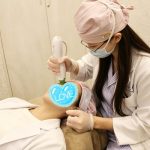
| LDM Infusion | Soothing | Sensitive skin, post-op recovery | Immediate to a few days |
Who is Rejuran For?
Those with long-term dryness and makeup caking.
Individuals with visible pores and rough texture who don’t want fillers.
People seeking to address early fine lines (eyes, cheeks, mouth area).
Those wanting natural, gradual skin improvement.
Note: Not for those expecting instant removal of deep folds, and be prepared for some discomfort from injections.
Who are Exosomes For?
Exosomes are ideal for those with a compromised skin barrier, post-laser redness, or those looking to pair a gentle recovery boost with microneedling or skin tightening treatments. Crucially: Because the market is new, always verify the product’s source and whether it is being applied via infusion, microneedling, or injection.
Estimated Costs in Seoul
Rejuran (Localized/Partial): KRW 200k – 400k
Rejuran (Full Face): KRW 400k – 800k
Exosomes (Infusion): KRW 150k – 500k
Exosomes (with Microneedling): KRW 500k – 1M+
(Prices vary by dosage, region, and clinic level. Always confirm the exact product and technique used.)
Key Considerations for Your Trip to Korea
Be Specific: Clarify which version of Rejuran/Exosomes is being used and the exact dosage.
Avoid Over-Treatment: Do not pack too many high-stimulation treatments into one day, especially if you have sensitive skin.
Aftercare: Focus on hydration and sun protection for 3–7 days post-treatment. Avoid exfoliating acids and high-heat environments (saunas).
Expertise Matters: Focus on the doctor’s assessment and your specific skin condition rather than just chasing the “trendiest” device or serum.
Summary
Rejuran is best for rebuilding your skin’s “foundation,” while Exosomes excel in post-procedure recovery. Before booking, consult 2–3 clinics online, share your clear, makeup-free photos, and be transparent about your medical history and recent aesthetic treatments.
Disclaimer: This information is for educational purposes only and does not replace professional medical advice. Always consult a qualified physician for personalized treatment plans.
Do you need help with any specific terminology or drafting an inquiry message to a Korean clinic?